
A Medical Doctor Speaking Out for Accountability
Edward Sepriwa blew the whistle on alleged irregularities in an Occupational Medicine specialist training programme involving the University of the Witwatersrand and the National Health Laboratory Service. His experience highlights the importance of transparency, accountability and meaningful protection for professionals who raise concerns in the public interest.
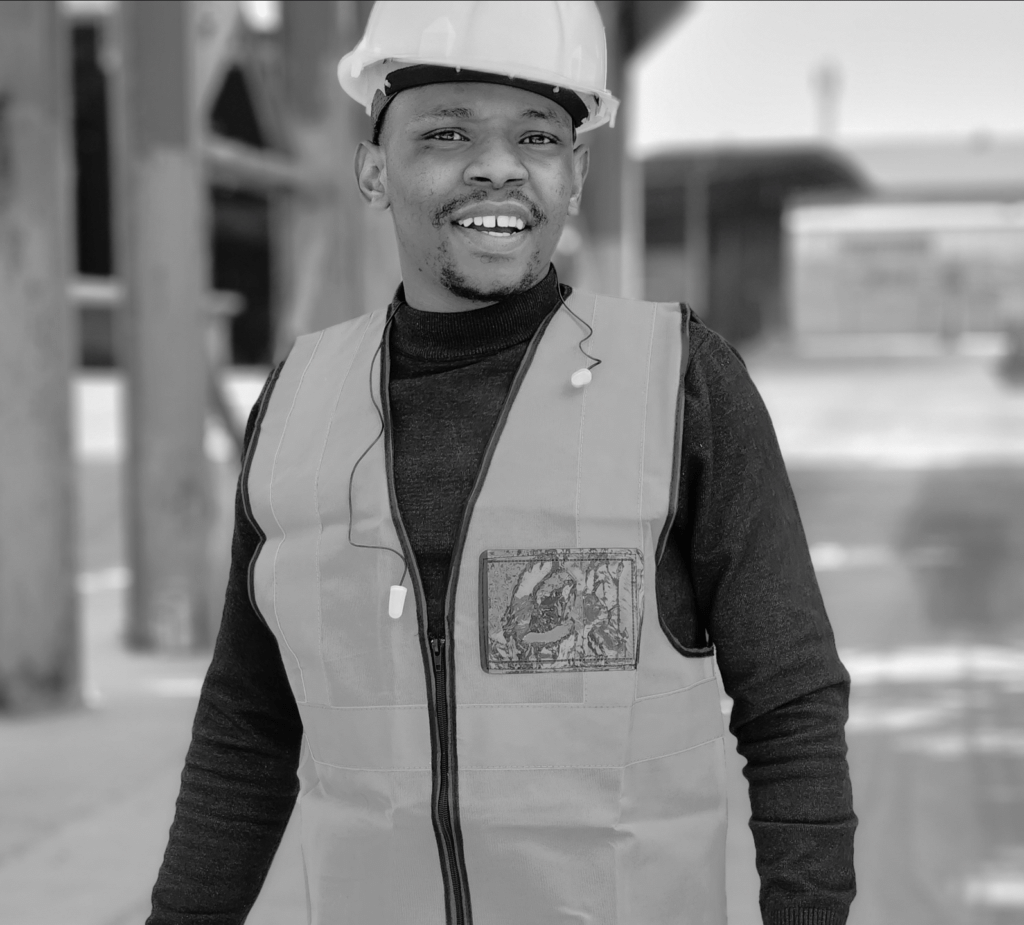
Edward Sepriwa is a medical doctor and whistleblower who raised concerns about alleged irregularities in the Occupational Medicine specialist training programme at the University of the Witwatersrand (Wits) and the National Health Laboratory Service (NHLS).
For Edward, speaking out was not a decision taken lightly. As a medical professional who had participated in the Occupational Medicine specialist training programme, he believed that concerns affecting the integrity of specialist medical training needs to be addressed openly and responsibly.
In August 2024, Edward made a protected disclosure to the leadership of Wits and the NHLS, raising concerns about the programme and the way it was being administered. His disclosure subsequently formed part of an extended process involving correspondence, questions, submissions and requests for answers from the institutions concerned.
According to Edward, despite the seriousness of the concerns he raised, he did not receive what he considered to be substantive answers or an adequate account of the steps taken to investigate and address the issues.
The concerns relate to the Occupational Medicine specialist training programme operated through Wits and the NHLS, including the National Institute for Occupational Health (NIOH). Edward’s affidavit sets out a chronology of his disclosures and the responses—or lack of substantive responses—that followed.
Edward’s concerns extend beyond his own experience. He argues that unresolved problems within specialist medical training can have consequences for future healthcare professionals and, ultimately, the quality and integrity of occupational health services available to the public.
Edward describes the process as involving prolonged delays, a lack of transparency and accountability, and what he experienced as bureaucratic obstruction and frustration. He maintains that the institutions involved have an ongoing responsibility to respond to the concerns raised and to inform him of the outcome of processes initiated following his disclosures.
His decision to continue pursuing the matter demonstrates his commitment to professional accountability and the principle that institutions entrusted with public responsibilities must be transparent and responsive when credible concerns are raised.
Edward has sought to ensure that his concerns are formally documented and supported by evidence. His supplementary affidavit, submitted in November 2025, consolidates his earlier disclosures and records the continuing concerns surrounding the programme.
For Edward, whistleblowing is ultimately about more than an individual dispute. It is about protecting the integrity of professional institutions, ensuring that specialist training meets appropriate standards, and creating an environment in which people can raise concerns without fear of retaliation or being ignored.
His experience highlights an important aspect of whistleblower protection: raising a concern is only the first step. Effective whistleblower protection also requires institutions to investigate disclosures properly, communicate with whistleblowers, address wrongdoing where it is found, and ensure that those who speak up are not left without answers.
PPLAAF-SA supports whistleblowers such as Edward who speak out in the public interest and seeks to ensure that institutions are held accountable when serious concerns are raised.
PPLAAF -SA supported Edward to tell his story in a podcast. The podcast became an important turning point, allowing the whistleblower to transform a complex body of evidence into a personal and accessible account of what happened. Despite the significant emotional toll of recounting the experience, the process helped rebuild confidence and provided a sense of relief. Public engagement following the broadcast also helped break the isolation often experienced by whistleblowers and created new networks of solidarity and support.
The experience has highlighted a critical weakness in South Africa’s whistleblower protection framework: institutions receiving disclosures must be held accountable for what happens after a disclosure is made. The case underscores the importance of enforcing the Protected Disclosures Act, including meaningful feedback to whistleblowers, transparent investigative processes and appropriate protection against further harm or retaliation. It also illustrates why whistleblower protection must extend beyond receiving a disclosure to ensuring that whistleblowers are heard, protected and supported throughout the accountability process. Edward continues to seek accountability and clarity regarding the concerns he has raised, albeit from a stronger mindset.
For additional information:
- The People’s Eye Podcast: https://www.youtube.com/watch?v=Zvx65jX2InU