investigative report
dirty deeds

How Top Nigerian Officials Bought
a Piece of America
Tracing the nearly USD 271 million in US real estate purchased by Nigerian Politically Exposed Persons (PEPs), their families, and associates from 1991 onward.

By PPLAAF | September 2026
The Report :
Executive Summary
Over the past three decades, hundreds of millions of dollars have been looted from Nigeria’s public treasury and some of that wealth has found a safe home in American real estate.
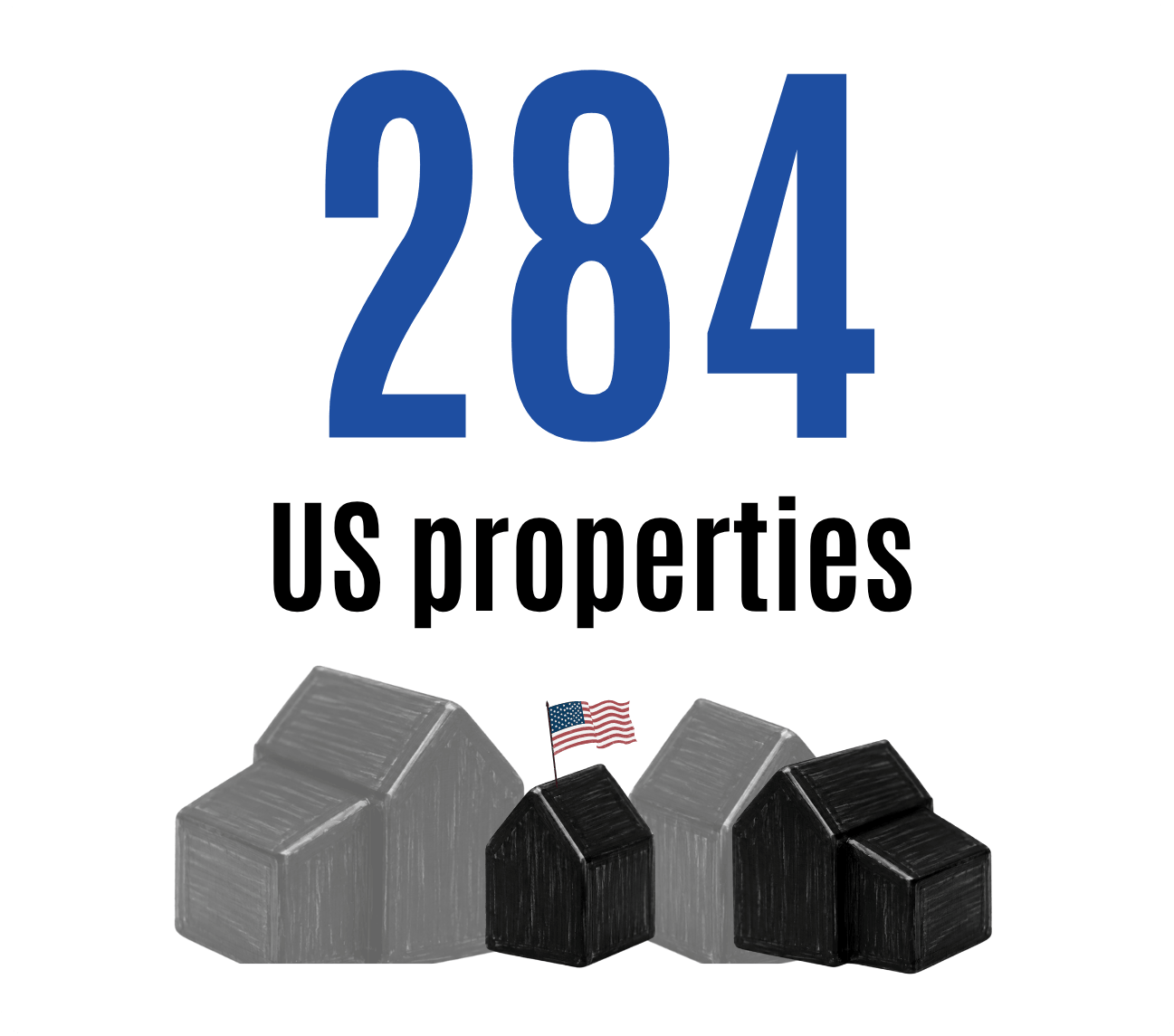
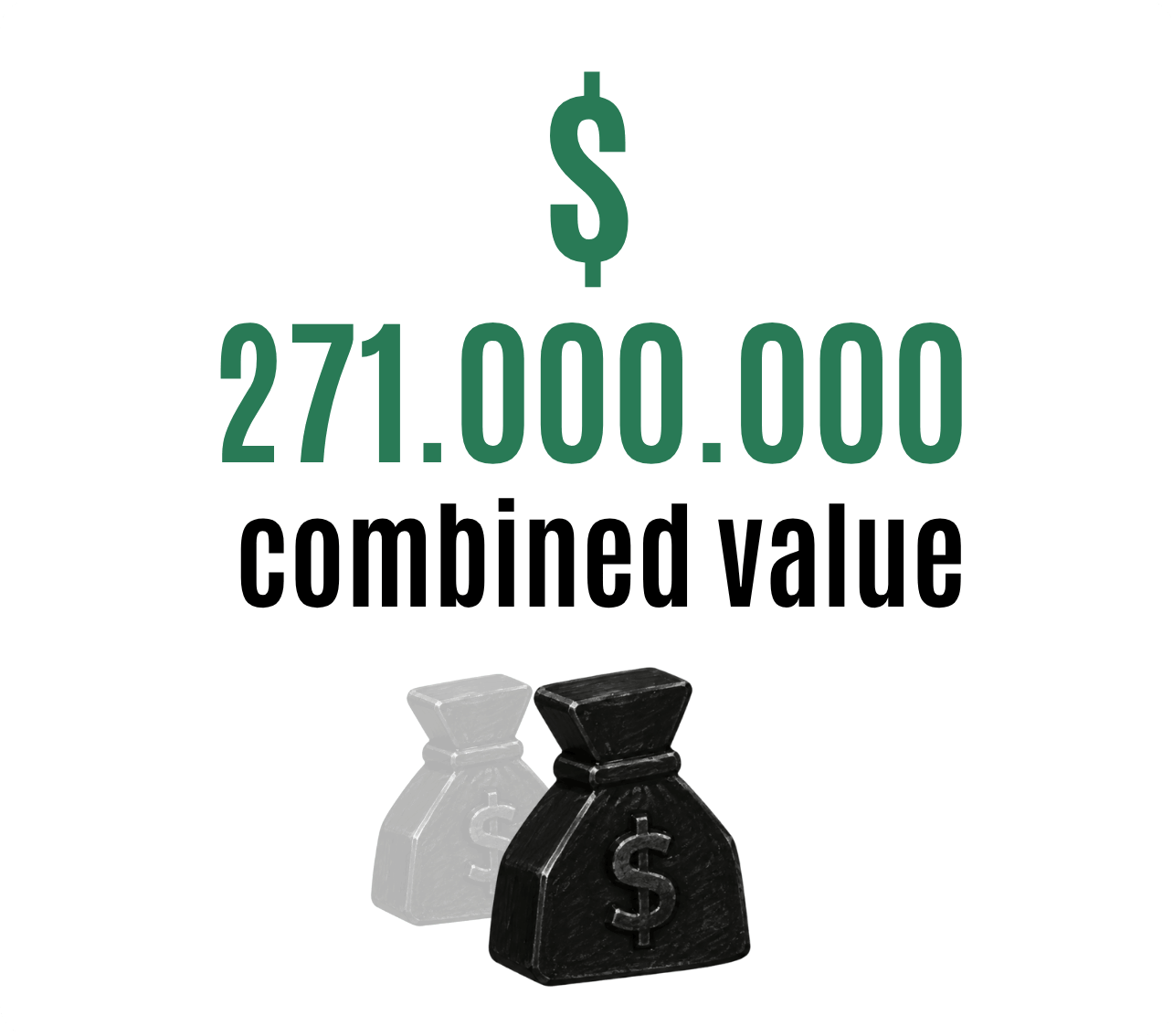
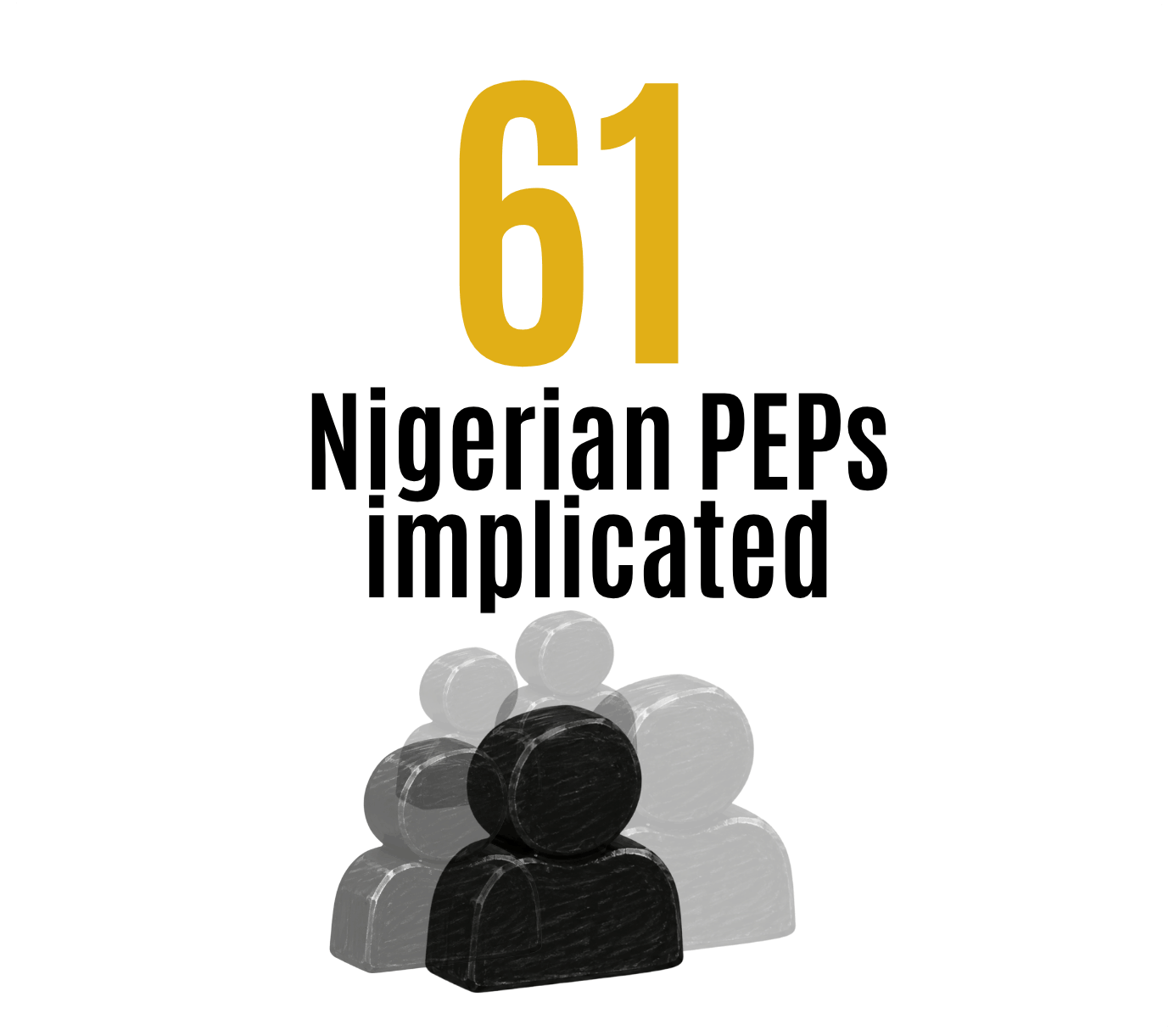
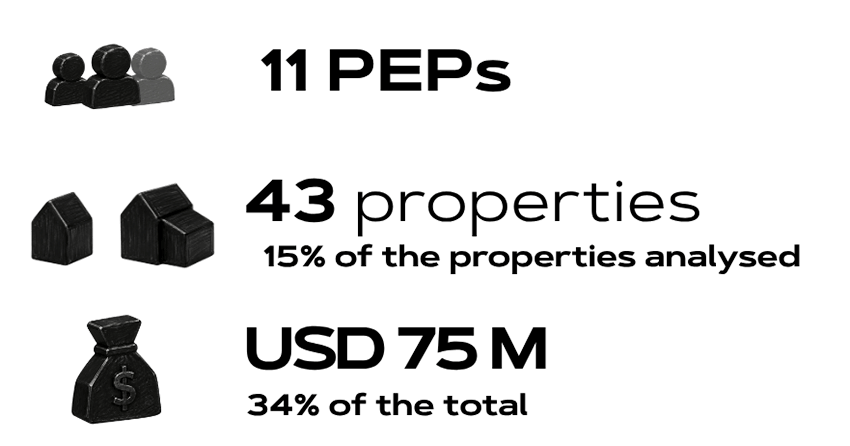
This investigation by the Platform to Protect Whistleblowers in Africa (PPLAAF), in partnership with the pro-transparency group the Anti-Corruption Data Collective (ACDC), identifies 284 United States (US) properties, collectively worth nearly USD 271 million (roughly 370 billion naira), linked to 61 current and former high-level Nigerian officials and acquired from 1991 onwards. 152 properties (≈USD 177 million) were purchased during tenure.
These properties tell a story that stretches from the final years of military rule into Nigeria’s democratic era. The return to civilian government in 1999 did not erase the networks through which political influence and public resources had been accumulated. Instead, many of those networks adapted to a new political order. Traditional chiefs and political power brokers, figures connected to Nigeria’s oil sector, and members of a diaspora who had fled during the military years and returned as democracy took hold became part of an increasingly interconnected political and economic elite.
For some of these actors, wealth and influence did not stop at Nigeria’s borders. As political power changed hands, money moved and American real estate became one of its destinations.
The findings expose recurring patterns of rapid, unexplained wealth accumulation, extensive use of intermediaries to obscure ownership, and structural vulnerabilities in both Nigerian oversight institutions and the US anti-money-laundering system. Of the 61 individuals examined, 39 have already been publicly accused, indicted, or sentenced for corruption; most others belong to institutions with a documented history of corruption allegations since the return to civilian rule in 1999.
What emerges is not simply a catalogue of properties, but a map of how political wealth travelled: from Nigerian public institutions and sectors exposed to corruption risks, through PEPs, companies, spouses and intermediaries, and into the US property market.
Fundamentally, these findings point to common systemic failures across the world, not merely of individual officials, but of the structures and regulatory gaps that allow stolen public wealth to cross borders and settle quietly into foreign real estate.
Purchasing Patterns:
More than half of the individuals implicated in these findings have been publicly accused of corruption – a significant red flag that should have raised serious concerns about the origins of the funds used. Overseas property purchases allow PEPs to convert illegal gains into tangible, legitimate assets. Some of the individuals identified were also implicated in the Pandora Papers and similar investigations into suspicious purchases in the United Arab Emirates.
39 individuals have either been accused of, indicted, or sentenced for corruption:
- 232 properties (≈USD 238 million) were acquired by these officials,
- 195 properties (≈USD 208 million) were bought without any apparent financing during and after tenure.
- 94 of which (≈USD 135 million) were acquired without any apparent source of financing and during tenure.
- 79 properties (≈USD 73 million), connected to 27 publicly accused individuals, are still owned.
The significance is not only who bought these properties, but when and how they bought them. In numerous cases, substantial real estate was acquired while officials held public office, at precisely the moment when their access to state resources and influence was greatest.
Of the 284 properties, the investigation found recurring patterns in when, how, and through whom these assets were acquired.
Risk factors: This investigation identifies several recurring patterns of high-risk real estate activity consistent with established indicators of potential money laundering and illicit enrichment:
PUBLICLY ACCUSED
IN THEIR OWN NAMES
High-level officials are typically subject to additional scrutiny by banks and other financial institutions when purchasing property, especially in relation to the origins of funds. However, more than half of the properties (147 worth ≈USD 111 million) were acquired by high-level officials and their spouses in their own names or using legal entities registered in their own names. For many of these PEPs, corruption allegations against them were publicly known with even a basic internet search bringing up these results.
In other words, the beneficial owners were not always hidden behind elaborate structures. In many cases, the names of the officials or their spouses appeared directly in the ownership records despite their status as politically exposed persons and, in some cases, despite publicly known corruption allegations.
ALL CASH
Additionally, buying properties without financing raises red flags for money laundering by removing an important degree of scrutiny. For this reason, all cash purchases should be met with increased assessment, yet PPLAAF found 230 properties, or approximately 81% of all identified properties, were purchased without apparent financing, worth a combined value of USD 232 million.
- Of these, 70 properties were purchased in the official’s own name, their spouse’s name, or by a company registered in their names, while in office, for approximately USD 55 million.
The scale of cash purchases is striking: more than four out of every five properties identified in this investigation were purchased without apparent financing. For transactions involving politically exposed persons, such purchases should have provided an important opportunity for scrutiny of the source of funds.
APPARENTLY AFFILIATED
A well-known indicator of money laundering is the use of affiliated companies to purchase and hold properties, obscuring beneficial ownership particularly when PEPs are linked to public corruption cases.
- 104 properties (≈USD 140 million) were purchased through companies.
- In 12 cases, Nigerian officials used US-incorporated entities that are apparent affiliates of their Nigerian companies to purchase, hold, or sell US properties.
ENABLERS
PPLAAF also found the professions enabling the buying and selling of foreign property also undertook a number of common but concerning actions, including failing to verify identity documents and accepting transactions carried out in the name of individuals who are deceased.
The movement of potentially illicit wealth does not happen in isolation. It depends on a wider ecosystem of professionals, companies, and transactions that can facilitate the acquisition and preservation of assets. The findings raise questions about whether the safeguards surrounding the US real estate market were sufficient to identify and challenge these transactions.
The significance is not only who bought these properties, but when and how they bought them. In numerous cases, substantial real estate was acquired while officials held public office, at precisely the moment when their access to state resources and influence was greatest.
The full 60-page report is available for download, but key findings are visualised in the sections below
Download FULL Report (PDF)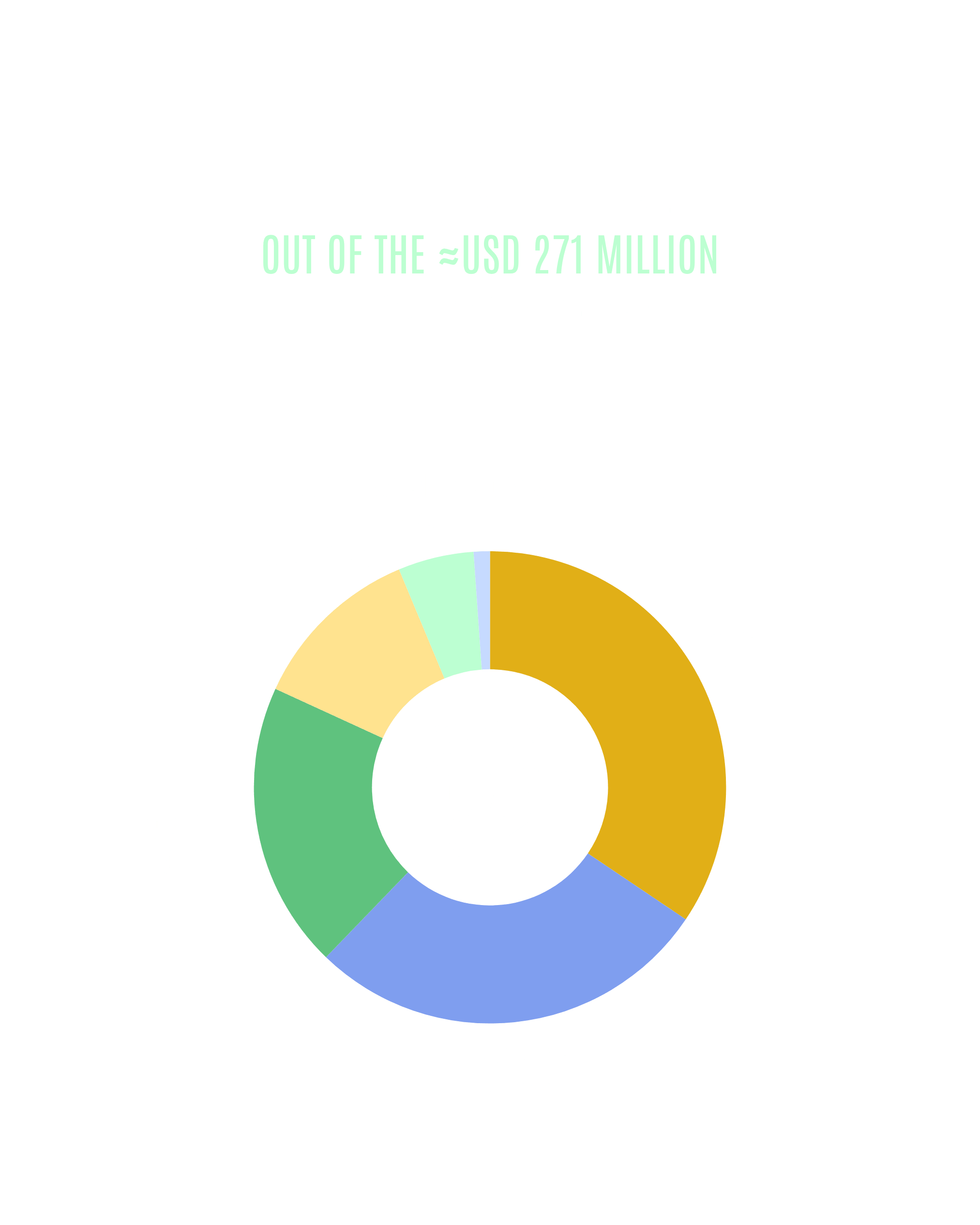
Property Map :
Where the Money Concentrates
Click on the houses below to view details of the most egregious property acquisitions linked to the published case studies. Filter by value range, state, and official’s name.
state
price
PEP
Case Studies and Categories of Officials :
The Names on the Deeds
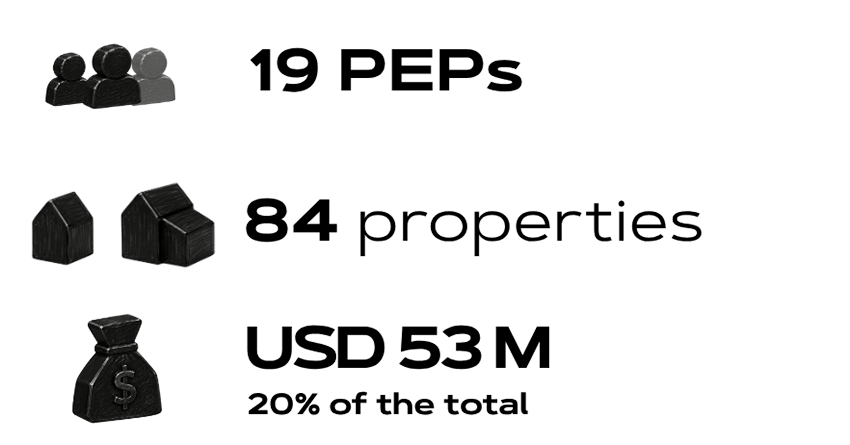
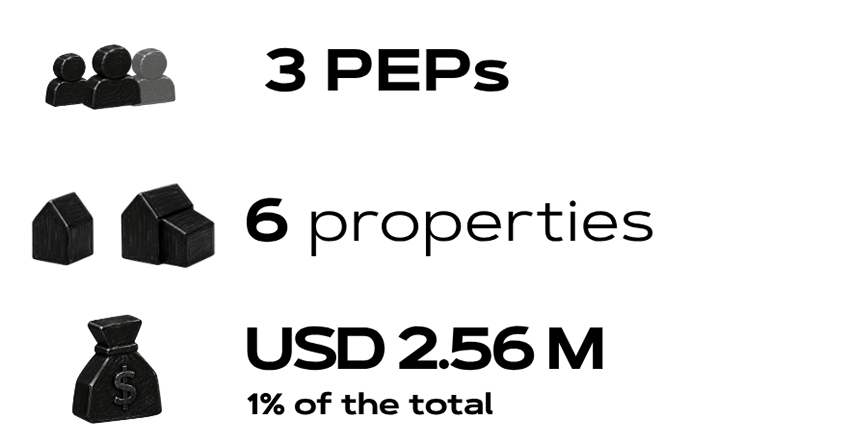
PPLAAF identified six categories of public officials, immediate family members and close associates who purchased property in the US during their tenure.
Learn more about each category and our key findings by clicking below:
security
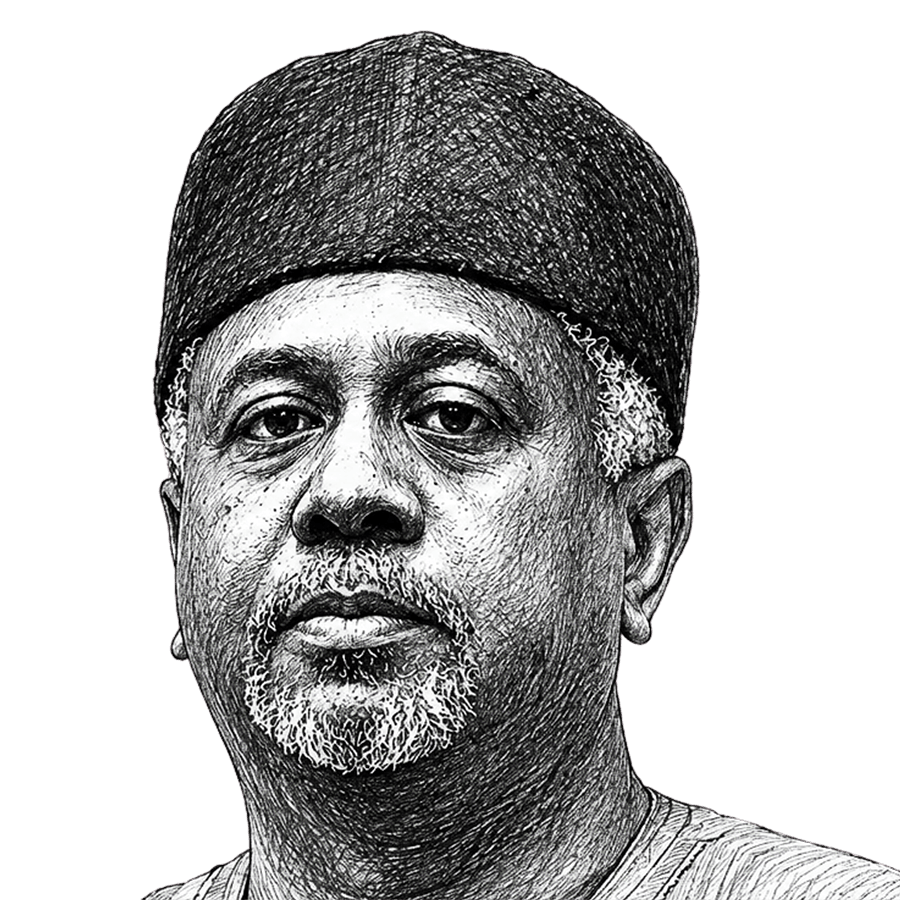
Sambo Dasuki
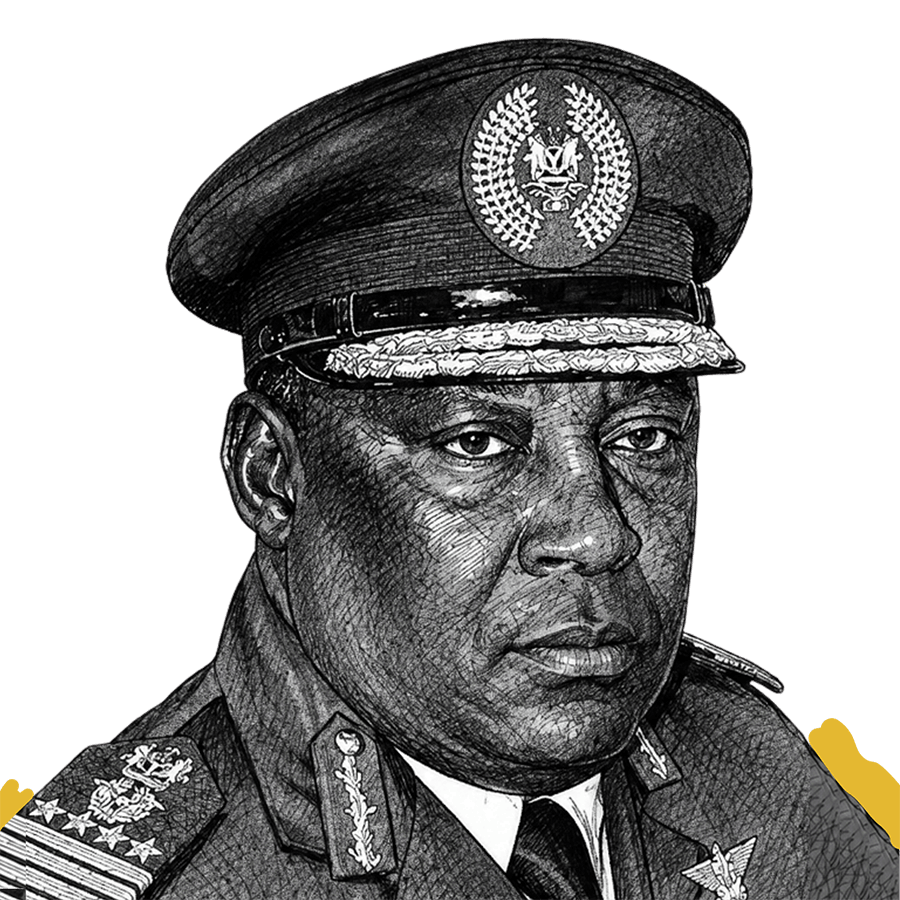
Alex Badeh
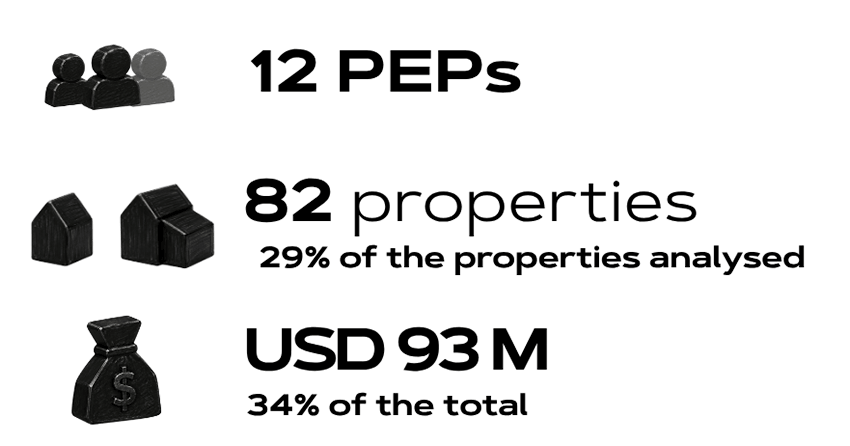
executive
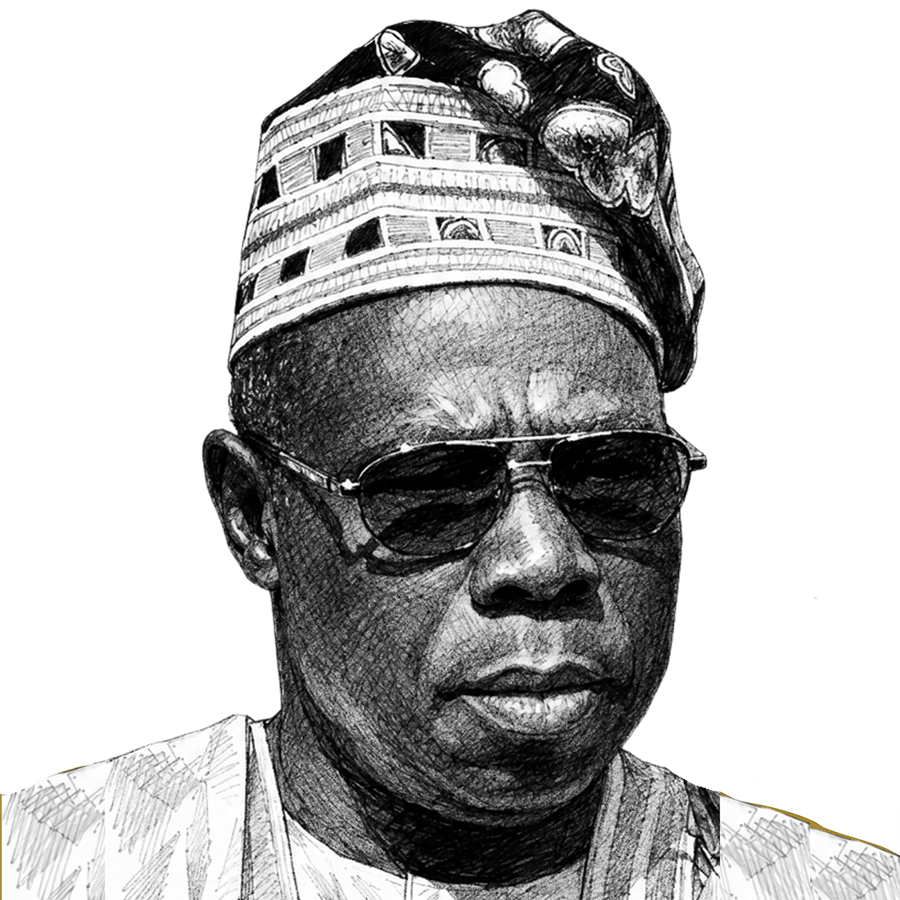
Olusegun Obasanjo
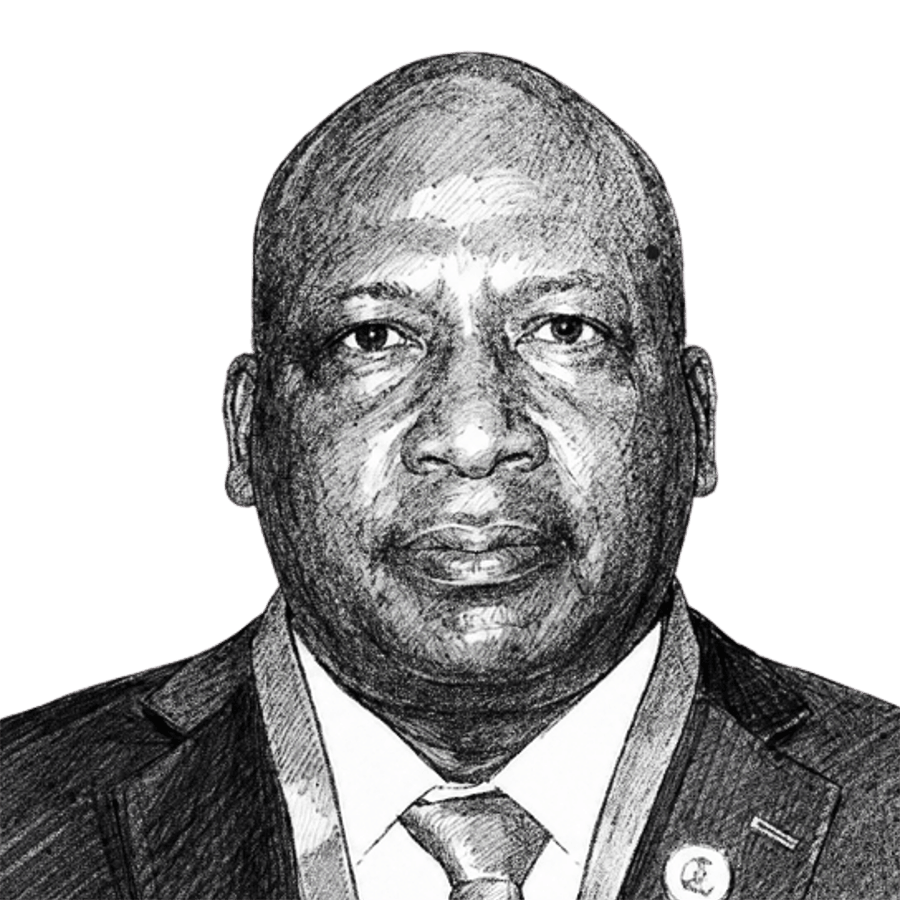
Abdulrahman Dambazau
legislature
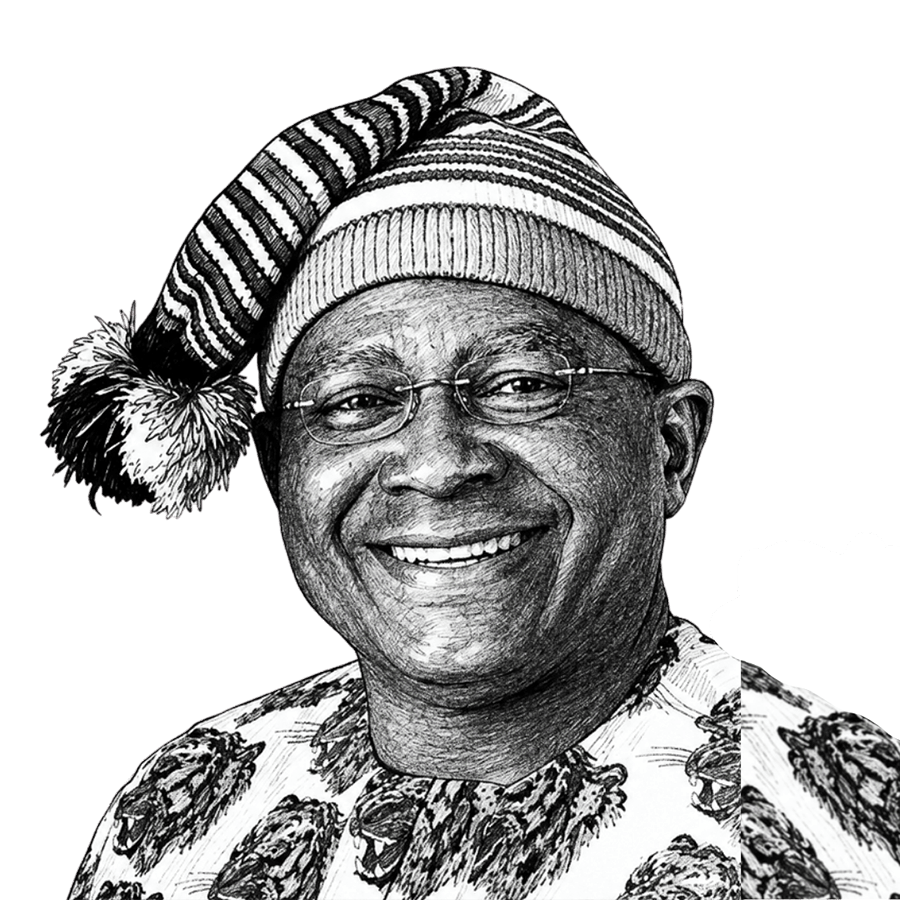
Chimaroke Ogbonnia Nnamani
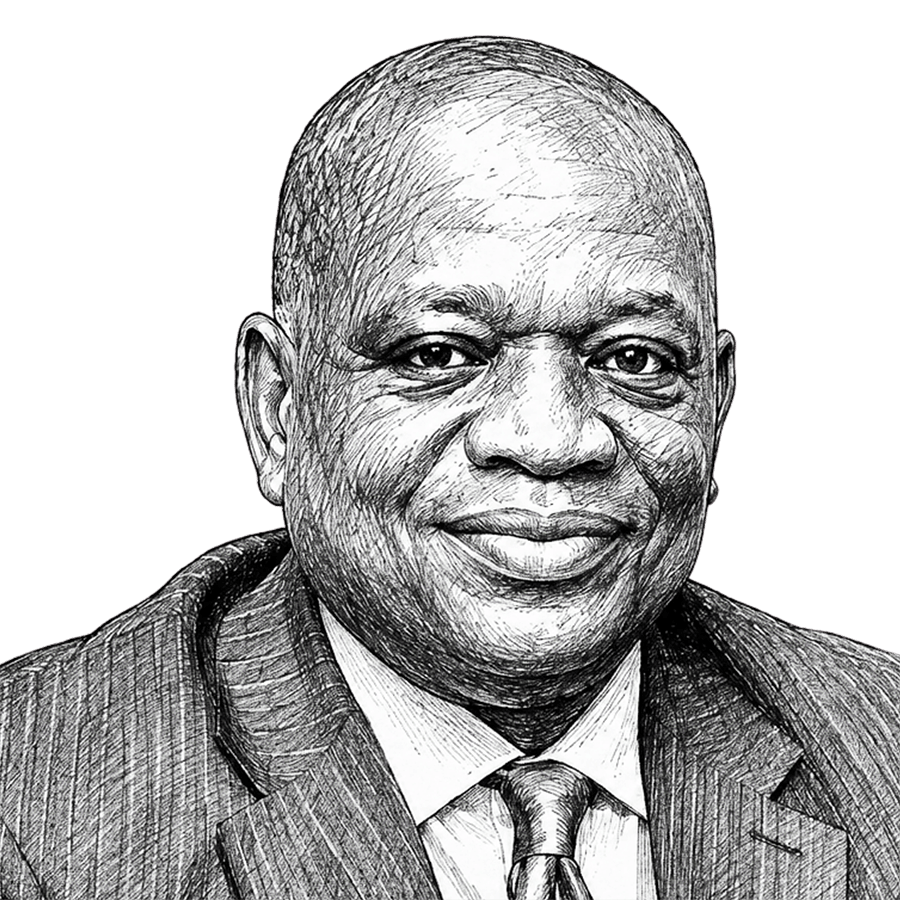
Orji Uzor Kalu
state government
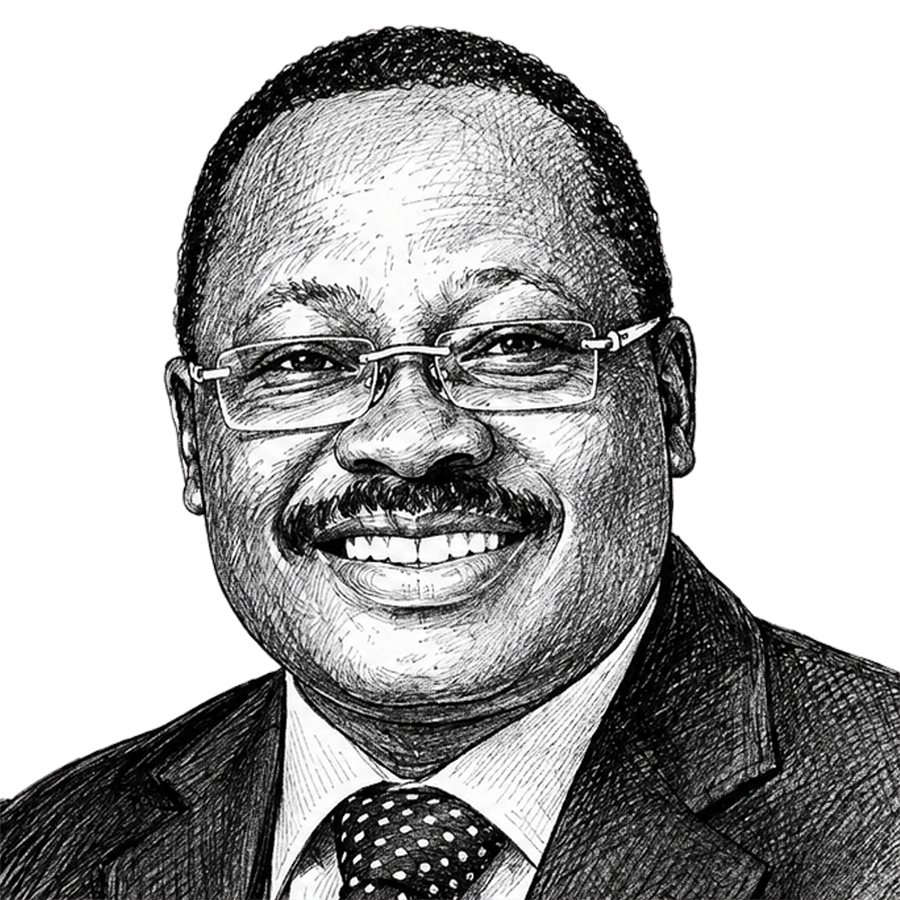
Isiaka Abiola Adeyemi Ajimobi
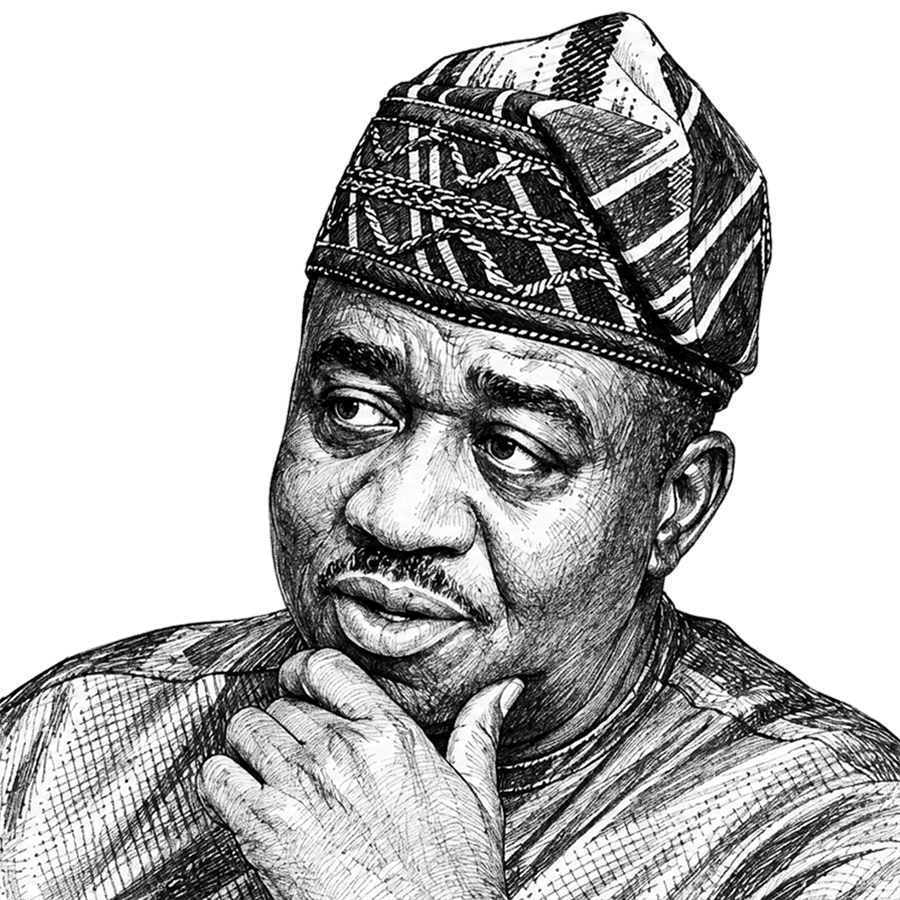
Gabriel Torwua Suswam
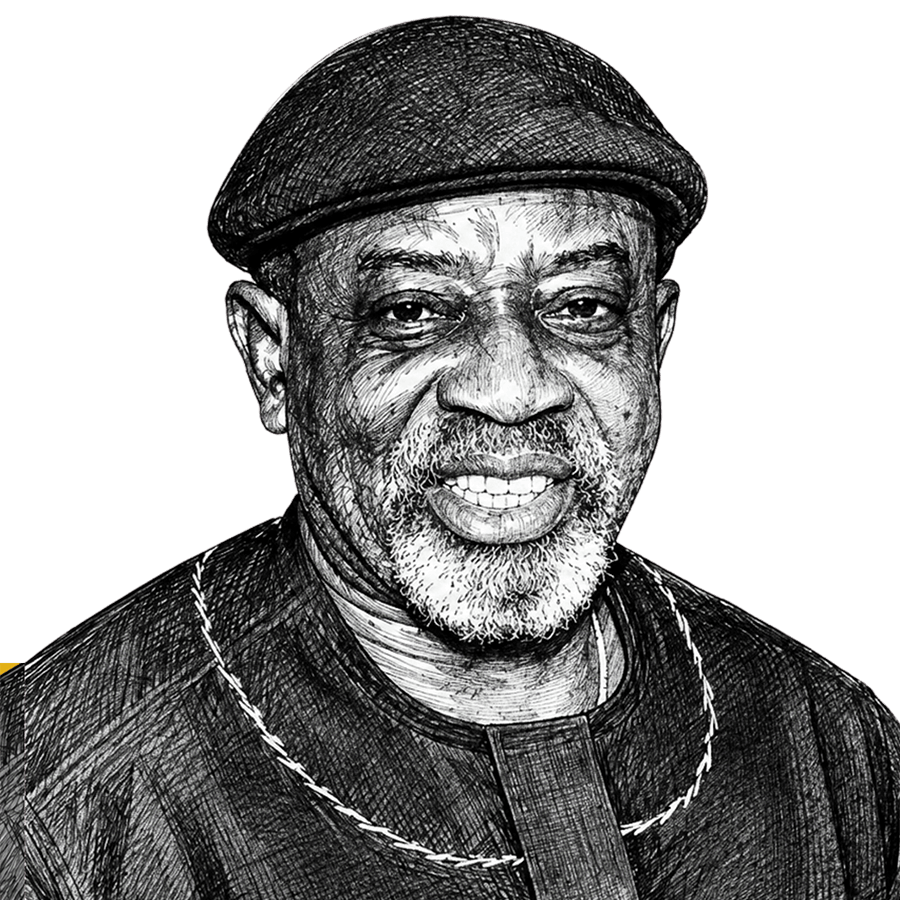
Chris Nwabueze Ngige
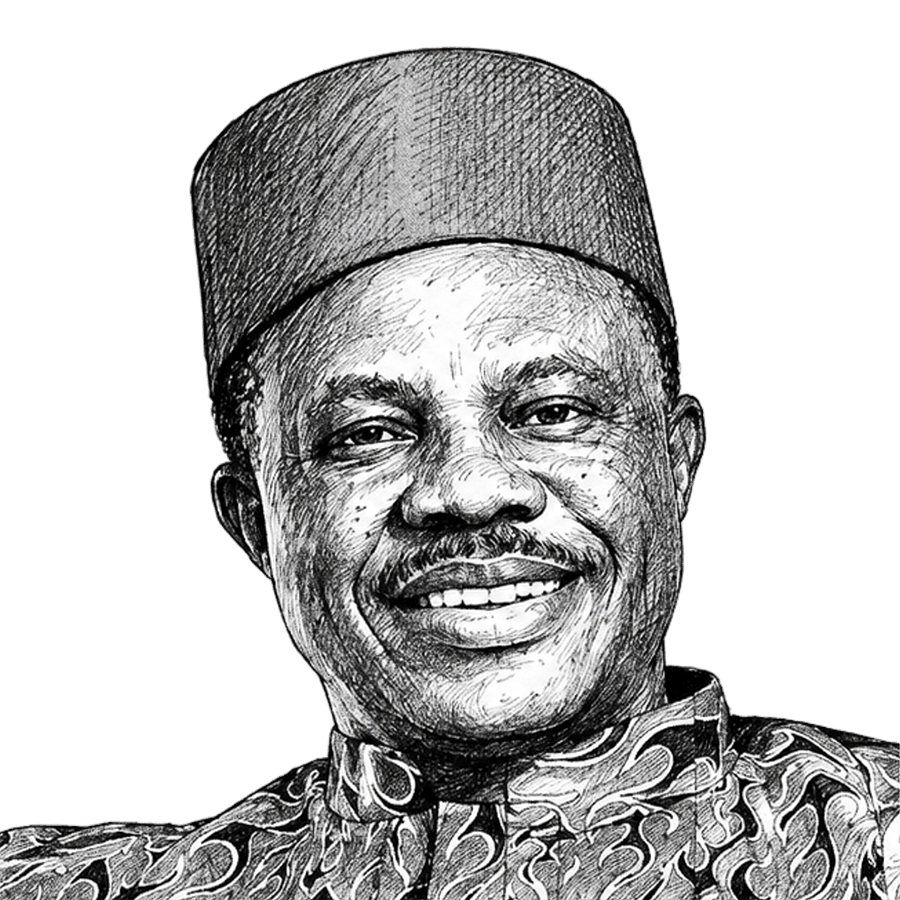
Willie Obiano
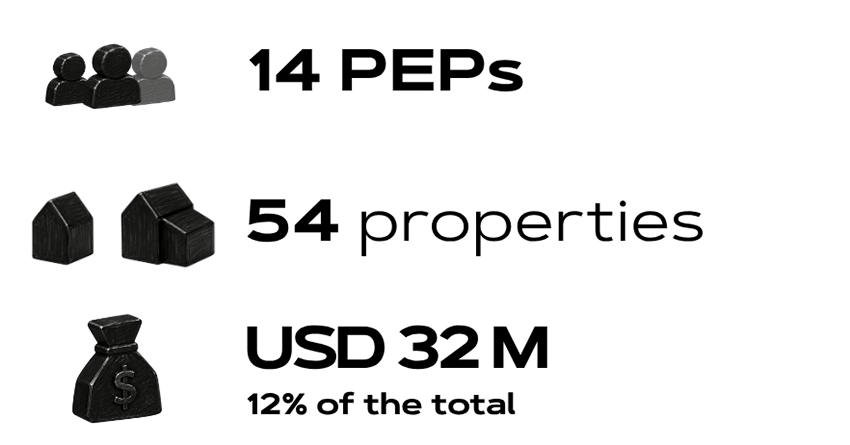
state-owned enterprises

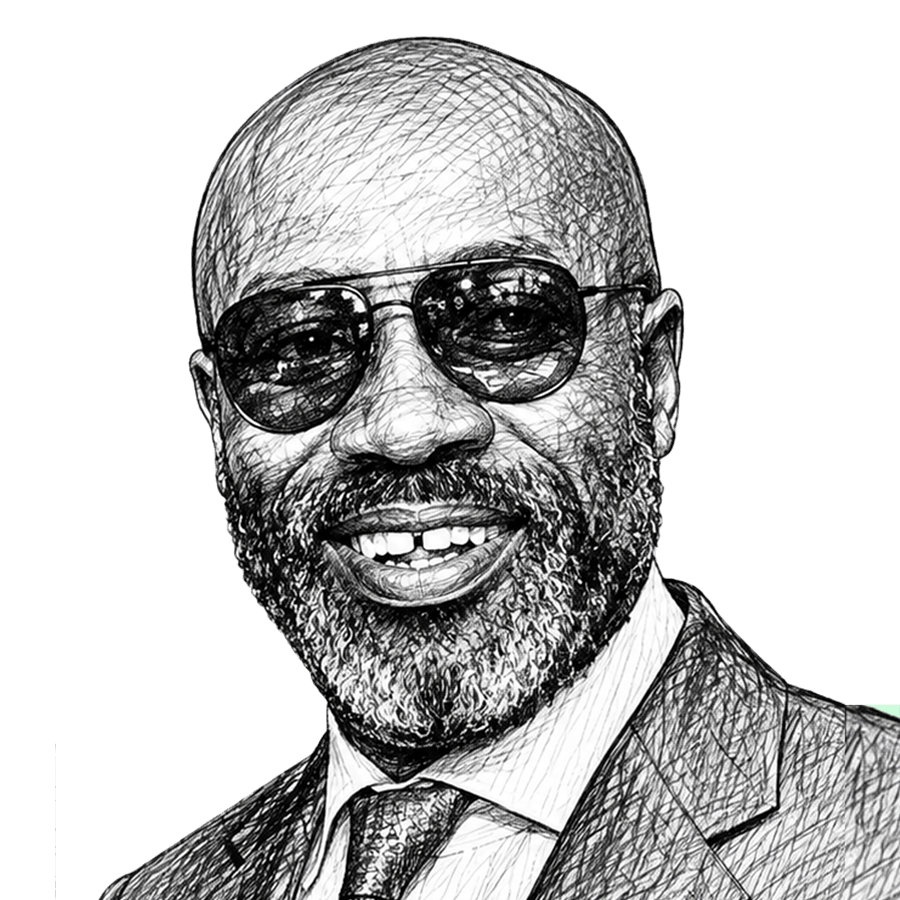
Stella Adaeze Oduah and Chris Ogiemwonyi
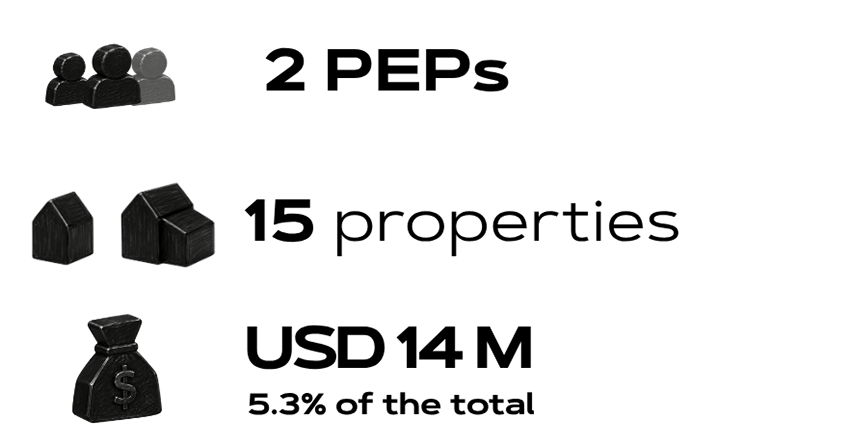
Roland Onoriode Ewubare
other officials
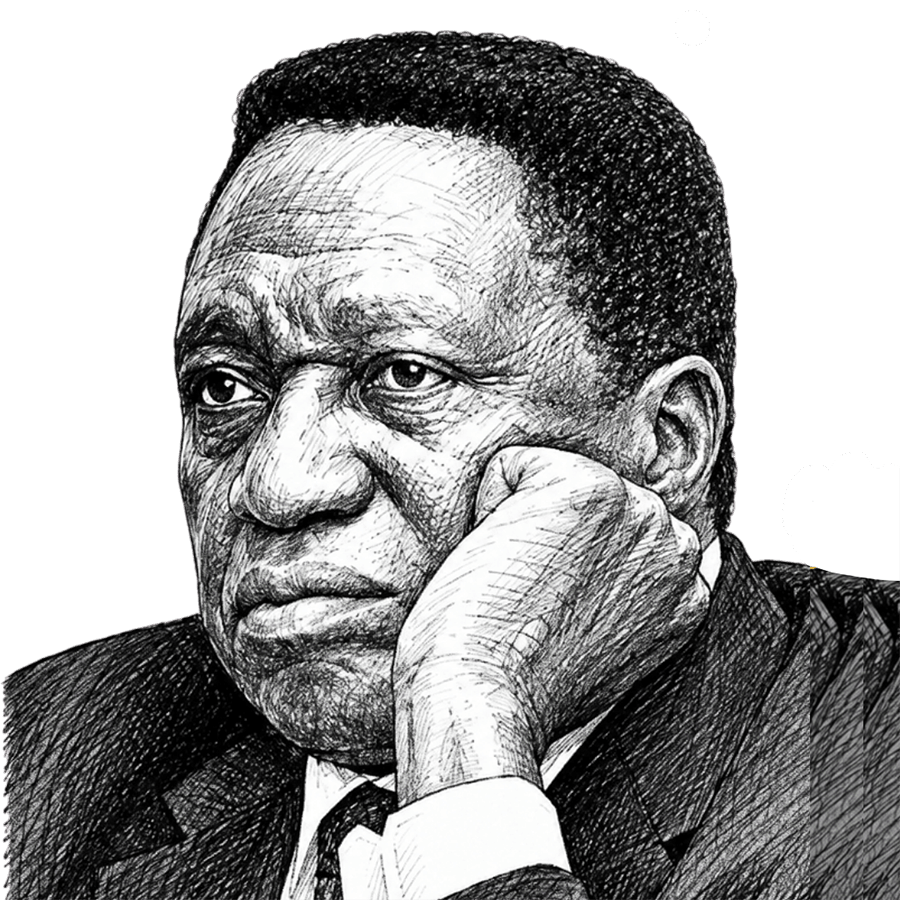
Lawrence Adedibu ‘Dibu’ Ojerinde
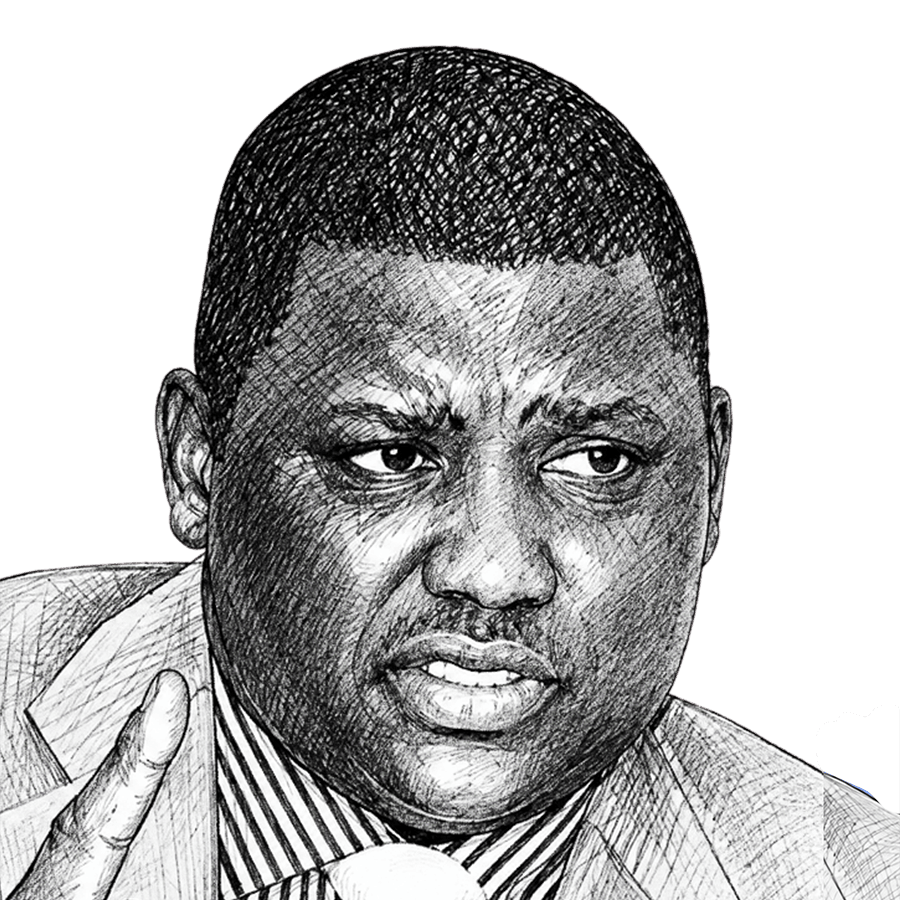
Abdulrasheed Maina
Latest Updates
exclusive :
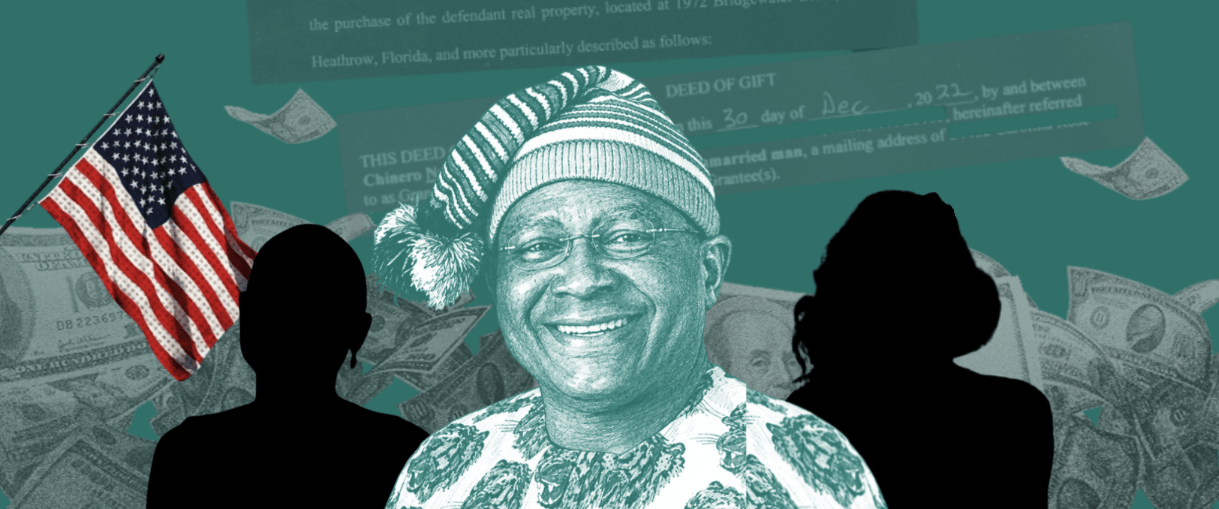
From foreclosure to a multi-state property network: the unanswered questions around Chimaroke Nnamani’s family US assets
September 17, 2026
In 2001, Dr. Chimaroke Nnamani lost his Florida home to foreclosure after falling behind on his mortgage payments. After becoming governor of Nigeria’s Enugu State, his family’s real estate holdings grew dramatically. During and after his tenure, Nnamani and his relatives acquired at least nine properties in Florida and Virginia, worth several million dollars.
Press Releases
Nigeria: Dirty Deeds — How Top Nigerian Officials Bought a Piece of America
22 September 2026
Exclusive PPLAAF investigation traces nearly USD 271 million in US properties to 61 current and former Nigerian officials, including 39 publicly accused of corruption (Abuja, 22 September 2026) — An investigative report released today by the Platform to Protect Whistleblowers in Africa (PPLAAF) finds that, over the past three decades, hundreds of millions of dollars may have been looted from Nigeria’s public treasury, much of
Nigeria: Former Governor’s Family Properties Remain Outside Authorities’ Reach
17 September 2026
PPLAAF reveals properties purchased by family members of Chimaroke Nnamani, former governor of Enugu state after accusations of financial crimes (Abuja, 17 September 2026) – New findings by the Platform to Protect Whistleblowers in Africa (PPLAAF) have identified properties in the United States (US) bought and sold by family members of former governor Chimaroke Nnamani that may have passed under the radar of Nigerian and

Media Partners
The Washington Post
The mysterious Virginia mansion allegedly bought with stolen Nigerian money
Blow the whistle
Expose wrongdoing. Stay protected.
Have you witnessed corruption, abuse of power, or wrongdoing affecting the African public interest? PPLAAF is here to help.
We work with whistleblowers in all sectors where the public interest is at stake by providing confidential legal assistance, secure communication channels, media coordination, safety and technical assistance, psycho-social support, and public advocacy.
All communication is handled in strict confidence and with the highest security protocols.
BLOW THE WHISTLECopyright PPLAAF 2026